Youth fact checks

Is TikTok Really Listening to Your Offline Conversations?
Have you ever talked about a specific brand of shoes out loud with a friend, only to open TikTok a few minutes later and see an ad for those exact sneakers? It can feel uncanny—almost as if your phone is secretly recording your living room or reading your mind.

This experience has created one of the most persistent viral rumors among young social media users: "TikTok uses your phone's microphone to listen to your offline conversations and serve you targeted ads."

“Natural” Skincare Is Always Safer

Scroll through social media and you’ll quickly see skincare products labeled “100% natural,” “chemical-free,” or “toxin-free.” Influencers often claim that natural ingredients are automatically safer and healthier than synthetic ones. Because these products look clean and eco-friendly, it’s easy to believe that “natural” equals “safe.”

As young consumers constantly exposed to skincare trends, we wanted to understand whether natural skincare is truly always safer—or whether this is another oversimplified marketing message.

Wearables can detect serious diseases better than doctors

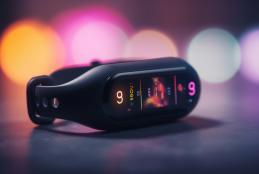
Smartwatches and fitness trackers are everywhere in 2026. They count our steps, measure heart rate, track sleep, and even send alerts about irregular heart rhythms. Because these devices look high-tech and use artificial intelligence, some people online claim that wearables can now detect serious diseases better than doctors.

This claim is exciting — and a bit scary. If it were true, it would completely change healthcare. But big claims require strong evidence, so we decided to investigate what wearables can actually do and where their limits are.

The EU Forces Member States to Give Up National Sovereignty

In Bulgaria, we often hear the claim that joining the European Union means giving up national sovereignty. This idea comes up in conversations about laws, the euro, borders, or “Brussels deciding everything.” It can feel true when EU rules affect everyday topics, and when decisions seem far away from local communities.
As a young person in Bulgaria, I wanted to understand what sovereignty actually means today—and whether EU membership really takes it away, or if something more complex is happening.

Algorithms Decide What News People See

If you get most of your news from social media or search apps, it can feel like the internet just “shows you what’s happening.” But many people online claim that algorithms actually decide what news we see—and even what we believe. Because this idea comes up so often in conversations about media trust and misinformation, we wanted to look at how true it really is.
This topic matters because news shapes opinions about politics, health, and society. Understanding who—or what—selects the news we see helps us become more informed and less easily manipulated.

The Euro Benefits Rich Countries and Harms Poorer Ones

We often see the claim that the euro mainly benefits rich countries while poorer countries suffer. This idea appears in online debates, comment sections, and videos about the European Union, especially during discussions about inflation, debt, or living costs. Because economic inequality is a real issue in Europe, this claim can sound convincing and emotionally powerful.
This topic matters because the euro affects millions of people’s daily lives. Understanding who benefits and who faces challenges helps move the conversation from blame and fear to facts and informed debate.

Electromagnetic Radiation from Wi-Fi and 5G Damages the Brain

We often see posts online warning that Wi-Fi routers and 5G networks are damaging our brains. These claims usually focus on the idea that constant exposure to “radiation” must be dangerous, especially since we can’t see or feel it. When people talk about headaches, tiredness, or trouble concentrating, these symptoms are sometimes blamed on Wi-Fi or mobile networks.

Countries in the Eurozone Lose Full Control Over Their Economy

This claim appears often in debates about the euro and the European Union. We’ve seen it shared in comments, videos, and discussions, usually alongside fears that countries give up their independence once they join the eurozone. The idea sounds simple: if you don’t control your own currency, you don’t control your economy.
Because this argument is repeated so confidently and emotionally, we wanted to look at what “economic control” actually means and whether eurozone countries really lose it completely, as the claim suggests.

Coffee Capsules Cause Cancer

We’ve seen posts and comments online warning people to stop using coffee capsules because they supposedly “cause cancer.” These claims often mention plastics, aluminium, or “toxic chemicals” released during brewing. Because coffee capsules are used daily by millions of people, this message can sound alarming and urgent.

Artificial Sweeteners Are More Dangerous Than Sugar

Lately, we’ve seen a lot of posts and comments online saying that artificial sweeteners are “toxic,” “chemical,” or even more dangerous than sugar. These claims often go viral because they sound scientific and play into fears about processed food. As young people who see this content shared by friends, influencers, and even adults, we wanted to check what science actually says.

Pages